
Why Phantom Became My Go‑To Solana Wallet — and How I Install the Browser Extension
Live Pokies With Welcome Bonus Machines Free Games
August 21, 2025Juegos De Casino Y Tragaperras Gratis De Skywind Casino
August 22, 2025Whoa! I kept meaning to write about this. Seriously? Yep — Phantom stuck with me longer than most wallets. My first impression was simple: fast, clean, unobtrusive. Then I poked around the settings, tested transactions, and got a feel for its quirks — some good, some a bit annoying.
Okay, so check this out—Phantom is built distinctly for the Solana ecosystem, and that focus shows up in the UX. The wallet boots quickly. Buttons are where you’d expect them. The token displays are tidy, and the collectibles (NFTs) are shown in a way that doesn’t make you squint. My instinct said “this will be fine for daily use,” and it was right. Initially I thought it would be just another UI polish job, but then I noticed low-fee swaps executed in a flash, and I realized performance matters more than I gave credit for.
Here’s what bugs me about some wallets—and this is why Phantom stands out: too many browser extensions shove menus and jargon at you right away. Phantom doesn’t. It keeps things layered. You can be a casual user or an advanced trader, and the app scales. On one hand it’s very approachable; on the other hand, it offers enough depth for serious use (though it’s not a full node client). Actually, wait—let me rephrase that: it’s a bridge between simplicity and power, not a one-size-fits-all tool.
Why the Browser Extension Matters
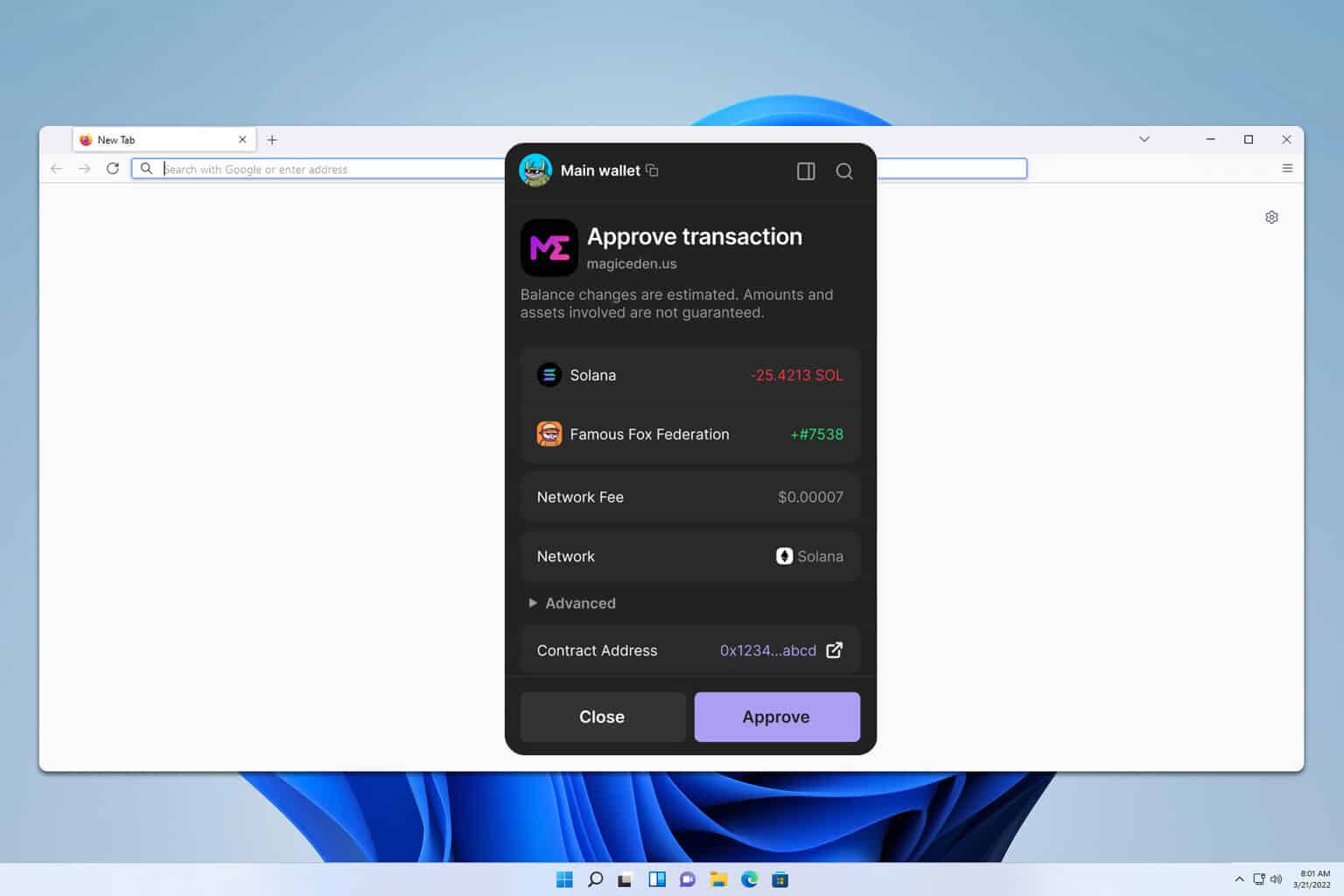
Short answer: convenience. Long answer: browser extensions let dApps communicate with your wallet directly, removing copy-paste private key nightmares and constant address retyping. That means faster trades, easier NFT checkouts, and smoother interactions with Solana-based DeFi. Wow — that sounds basic, but it’s transformative when it works seamlessly.
I’m biased, but extensions feel like the difference between carrying a keycard and dragging a giant suitcase every time you want to open a door. Your private keys stay local (in most reputable extensions). Your approvals are prompt. And you get contextual prompts for signing transactions without leaving the tab. Hmm… something felt off about older extensions that asked for blanket permissions; Phantom asks per-action, which is better for safety.
Installation is straightforward if you know the right source. If you want the official Phantom browser extension, grab it here: https://sites.google.com/cryptowalletextensionus.com/phantomwalletdownloadextension/. That link led me straight to the extension page when I last checked — so it’s a good starting place. Be careful, though. There are phishing pages and lookalike downloads out there. Double-check the URL and the developer details before you add any extension. My gut told me to verify signatures and reviews, and that saved me from a dodgy copy once.
Security — Real Talk
Security is not binary. You can’t be 100% safe and totally convenient at the same time. On the other hand, Phantom’s extension uses familiar patterns: seed phrase backup, encrypted local storage, optional password lock. That combination is generally good practice. Initially I worried about browser-based key stores, but I found that the convenience trade-off is acceptable if you follow basic hygiene.
Some practical things I do: one, never store a full seed phrase screenshot on cloud services. Two, use a separate browser profile for crypto. Three, keep small balances in extension wallets for casual spending and the bulk in cold storage. These are small, simple habits that cut risk. Also, it’s okay to be paranoid — seriously — but avoid overcomplicating routine tasks so you burn out on security and do somethin’ risky by accident.
On an analytical note: extension permissions deserve scrutiny. If an app requests “access to all websites” that’s different from “read and change data on this site.” Read the prompts. Consider hardware wallet integration for larger holdings; many users pair Phantom with a Ledger device for an extra safety layer. On the flip side, hardware wallets add friction — so weigh your threat model.
Features I Use Every Week
Swaps. I use Phantom’s swap widget a lot. It’s not the most advanced aggregator, but it’s fast and covers common token pairs — handy for quick rebalances.
NFT management. The gallery view isn’t perfect, but it gives a decent preview and simple transfer options.
Staking. Phantom exposes staking for SOL easily, and you can delegate to validators without leaving the extension. That convenience matters when yields shift and you want to reallocate quickly.
Transaction history. It’s streamlined, though sometimes I wish for more granular analytics. (oh, and by the way…) wallets are all trying to solve the same thing: surface enough data without overwhelming people.
Common Mistakes New Users Make
They click anything that looks like an “Install” button. They assume a high review count equals safety. They don’t verify the seed phrase backup. They approve every smart contract call because the text looks like gibberish — and that’s scary. My advice? Slow down for the prompt that asks you to sign something. Read it. If you don’t understand, don’t sign it.
Also, don’t mix up testnet and mainnet. I’ve sent tokens to a testnet address by mistake before — argh — and it cost time to recover. Not all mistakes are fatal, but some are irreversible, so pay attention.
FAQ
Is Phantom safe to use as a browser extension?
Short answer: generally yes, if you download from the official source and follow best practices. Long answer: no wallet is immune to phishing or user error. Use seed phrase backups stored offline, verify extension publisher details, consider a hardware wallet for large sums, and keep your browser/extensions updated.
Can I use Phantom on mobile and desktop?
Yes. Phantom offers a mobile app and a browser extension. They sync to the same seed phrase, so you can access the same accounts across devices. Be mindful of where you enter sensitive info — mobile and desktop each have their own attack vectors.
What if I lose my seed phrase?
That’s rough. If you lose your seed phrase and you don’t have a hardware backup, you risk permanent loss of access. Some people write seed phrases on paper or metal plates and store them in safe locations. I’m not 100% sure about every recovery service; most are scams, so treat them with suspicion.
To wrap up — and yes I’m deliberately not giving a tidy TL;DR — Phantom fits a sweet spot for Solana users who want speed and simplicity without sacrificing too much control. It’s not perfect. Sometimes the UI could explain things better. Sometimes fees (though low on Solana) surprise beginners. But overall it does its job well, and the browser extension makes day-to-day interactions with dApps far less painful.
So if you’re curious, try it on a small scale first. Try a tiny swap. Send a token to yourself. See how the prompts feel. If it lives up to your expectations, then scale up. And remember: double-check every download link, because the web is a weird place and caution pays off…
